
Materials for Contact in the Bathroom
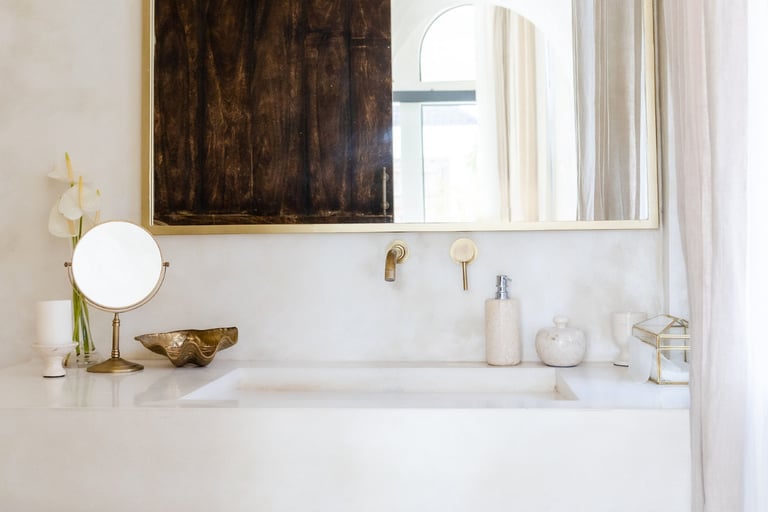
Stone, plaster, wood. How a French Mediterranean bathroom is built from materials chosen for contact with skin, water, and time — not for appearance.
BATHROOM
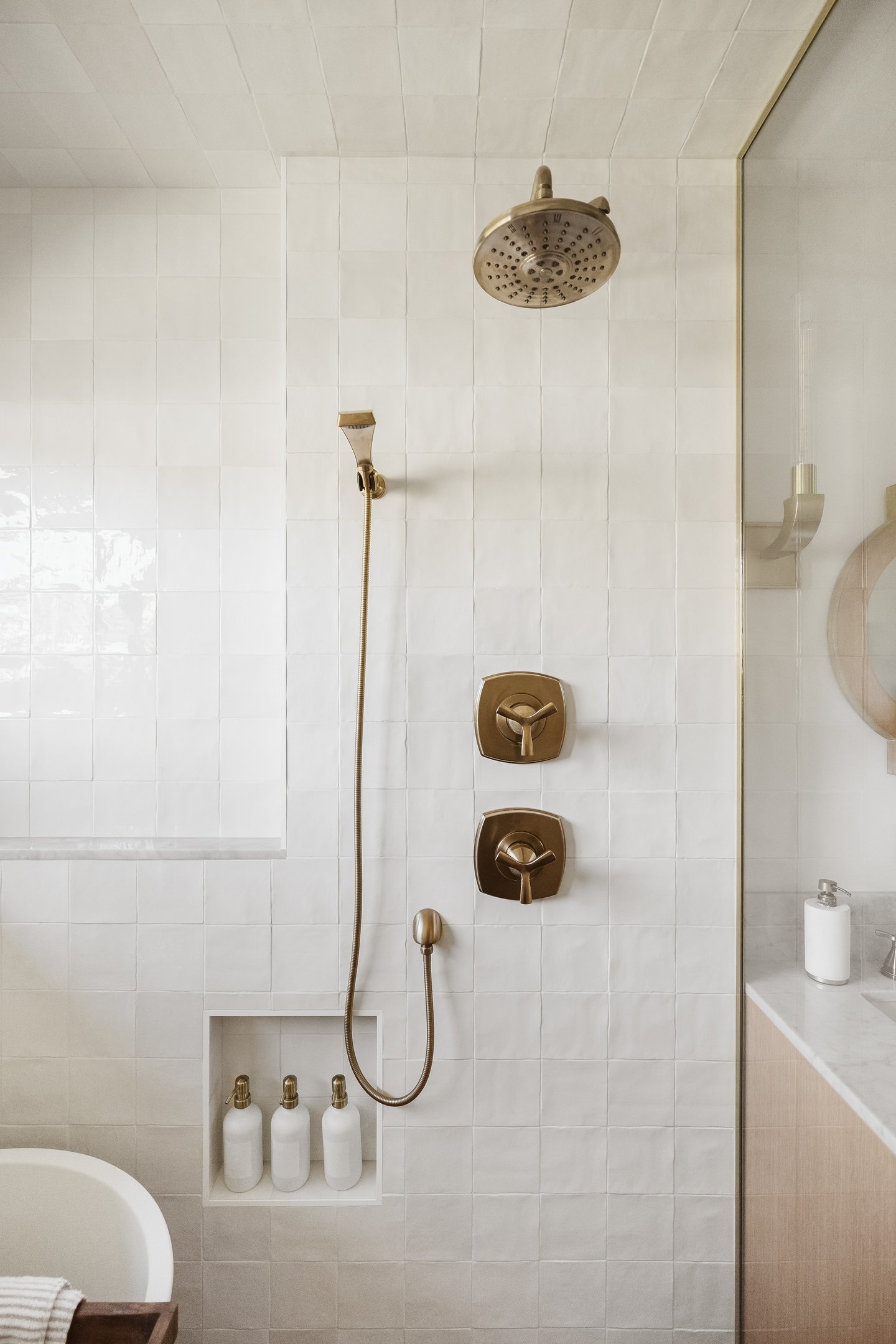
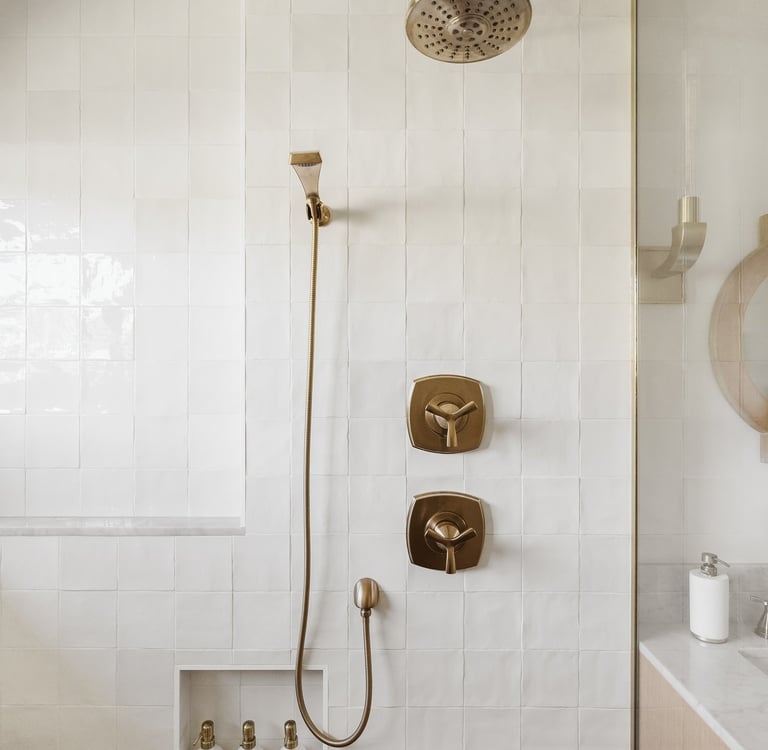
Materials matter most in the bathroom because they are constantly touched.
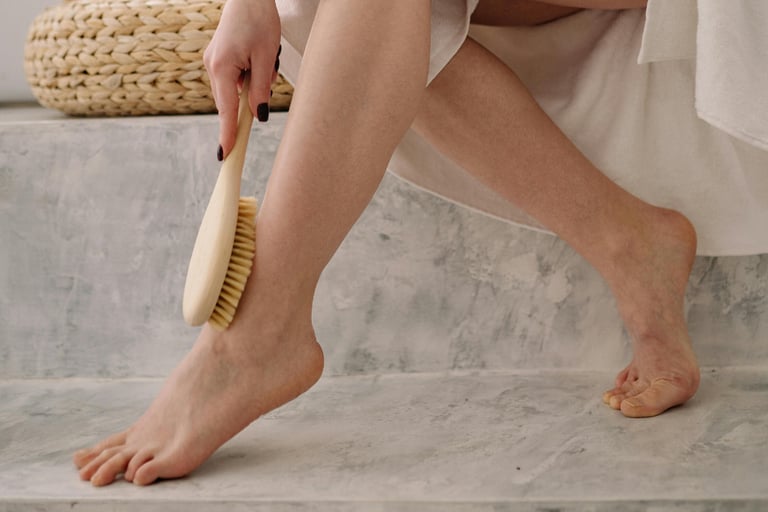
Feet meet the floor. Hands rest on basins and walls. Water shifts surfaces from dry to wet, warm to cool. In a French Mediterranean bathroom, materials are chosen for how they respond to this contact, not for how they appear in isolation.
Stone, plaster, and wood endure because they remain calm under use — a logic introduced in The French Mediterranean Bathroom.
Stone that holds weight
Stone provides stability in the bathroom.
Used for floors, basins, or built elements, it carries visual and physical weight without asserting itself. Its surface remains legible when wet. Its temperature adjusts slowly. Its imperfections are accepted rather than corrected.
Highly polished stone is avoided. Matte or honed finishes absorb light and reduce glare, allowing the room to remain quiet even in strong daylight.
Stone grounds the space, giving the body a sense of balance at first contact.
Plaster as a soft boundary
Plaster plays a central role in Mediterranean bathrooms.
Unlike harder finishes or paint, it diffuses light and softens edges. It absorbs sound and reduces echo. Walls feel present without becoming dominant.
Small irregularities are not treated as flaws. They allow the surface to breathe and prevent the room from feeling sterile.
Light moves gently across plastered walls, supporting enclosure without heaviness — a relationship developed in Light and Enclosure in the Bathroom.
Wood in measured use
Wood appears sparingly in the bathroom, but its presence matters.
Used for cabinetry, shelving, or shutters, it introduces warmth and continuity with the rest of the home. Finishes remain natural. Grain is visible. Edges are softened.
Wood is never used where water is constant. Its placement is deliberate and protected. When used correctly, it balances the mineral weight of stone and plaster without adding noise.
This measured use reflects a broader material logic found across the house, as seen in Materials for Rest in the Bedroom.
Materials that age with use
What defines these materials is how they evolve.
Stone develops patina. Plaster settles. Wood deepens. None require replacement to remain appropriate. Time does not work against them.
This gradual ageing creates continuity. The bathroom does not require frequent updates because nothing becomes obsolete quickly.
Materials respond to use rather than resisting it.
Avoiding surface contrast
Strong material contrast disrupts the room.
Glossy tiles, reflective metals, and synthetic surfaces introduce sharp transitions. They amplify light and exaggerate shadow.
In a restrained bathroom, materials remain closely related. Differences are subtle. Texture replaces contrast.
This coherence allows the room to feel composed even in brief use.
Wet and dry surfaces
Bathroom materials are read in two states — wet and dry — and the room only works when both readings hold up.
Honed limestone darkens slightly when wet but does not lose its character. A glossy tile, by contrast, becomes an entirely different surface under water — sharper, more reflective, harder to read. Matte plaster absorbs droplets and recovers. Lacquered wood does not. The question to ask of every bathroom surface is whether it remains itself when wet, or whether it becomes a different object.
The same applies to temperature. Stone underfoot adjusts slowly — cool in the morning, warmer by evening. Lacquered or sealed floors stay at a single sharp temperature and feel inert to the foot. The Mediterranean preference for natural mineral surfaces is partly about humidity and partly about this slow temperature shift, which the body reads even when the eye does not.
A bathroom that holds up wet, dry, cool, and warm is a bathroom that supports use across the year without ever needing to be corrected.
Why southern houses are built around this kind of climate-responsive material logic is developed in Climate as the First Designer.
Contact before appearance
Materials are chosen with the body in mind.
How they feel underfoot. How they respond to water. How they change with time.
Appearance follows these conditions, never the reverse.
When materials are selected for contact rather than display, the room remains calm, durable, and resolved — supporting the quiet, repeated use that defines the bathroom.
Contact
© 2025. All rights reserved.
An editorial study of French Mediterranean interiors, shaped by observation, lived experience, and a respect for spaces that age gracefully.