
Light, Shade, and Exposure
How a Mediterranean terrace is shaped by shade as much as by sun. Why exposure, filtered light, and built shelter decide whether the space is used at all.
TERRACE & GARDEN
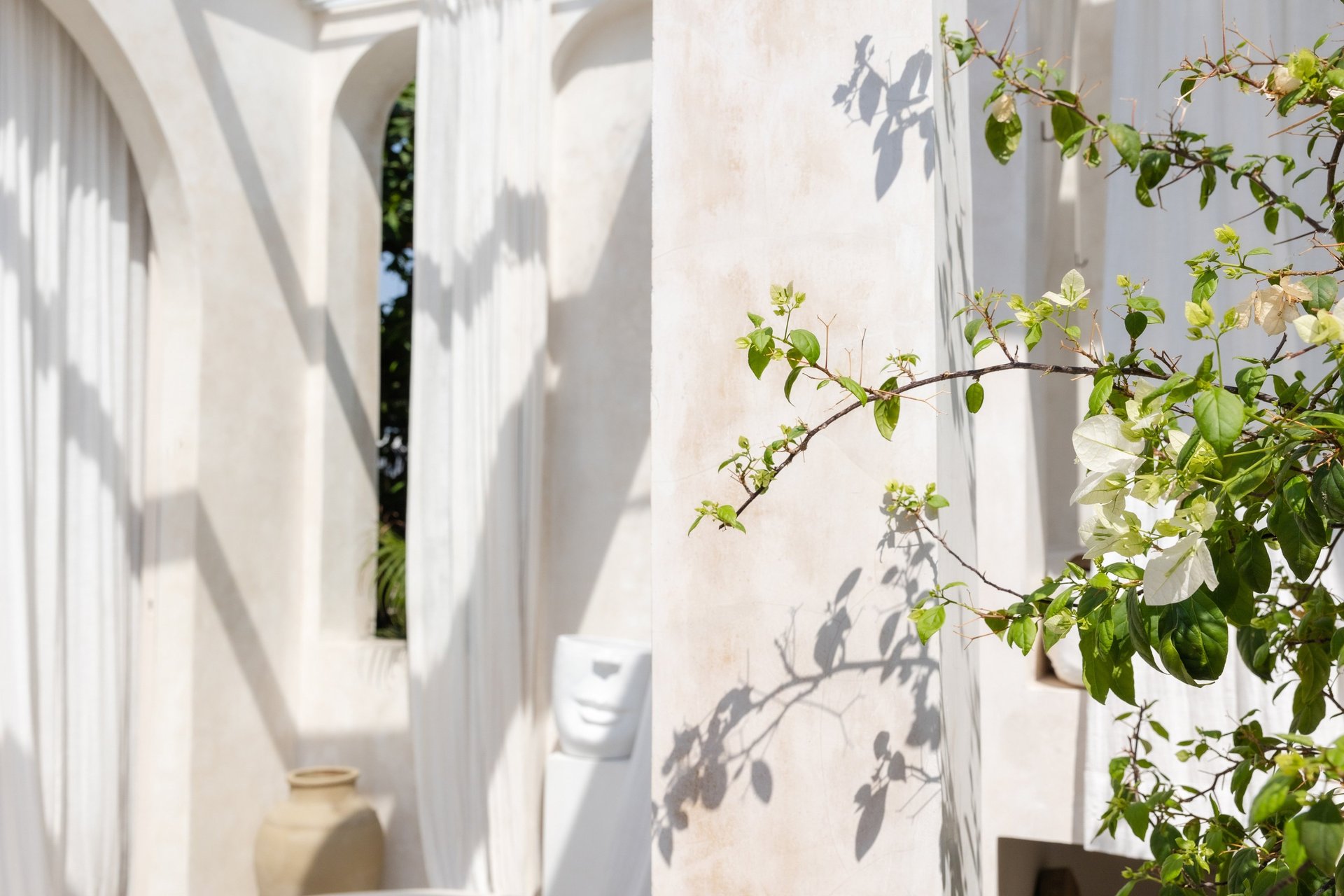
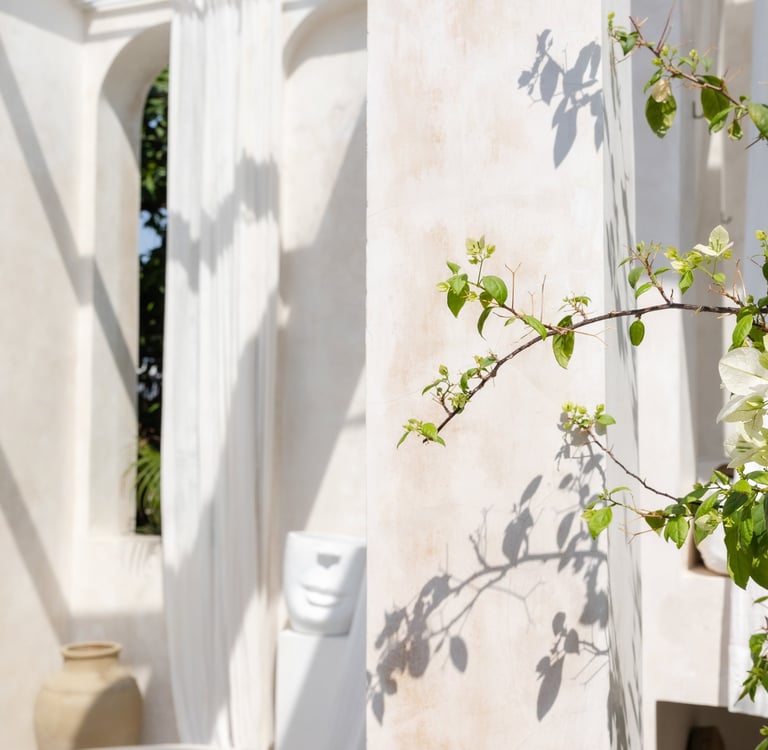
Light determines whether an outdoor space is used or avoided.
In a French Mediterranean context, terraces and gardens are shaped as much by shade as by sun. Exposure is resolved early, not corrected later. When light is misjudged, the space remains empty. When it is understood, the space becomes usable.
Exposure First
Orientation comes before layout.
Morning light, midday sun, and late-afternoon warmth each define how the space can function. A south-facing terrace will require shade before it needs furniture. A space partially protected by walls or trees may remain usable throughout the day.
Layouts that ignore exposure rely on correction. Those that respond to it feel inevitable.
The most successful terraces are organised around where light falls, not where furniture looks balanced.
Why a Mediterranean terrace is built around climate before furniture is the starting point of The French Mediterranean Terrace & Garden.
Shade as Structure
Shade is not an accessory.
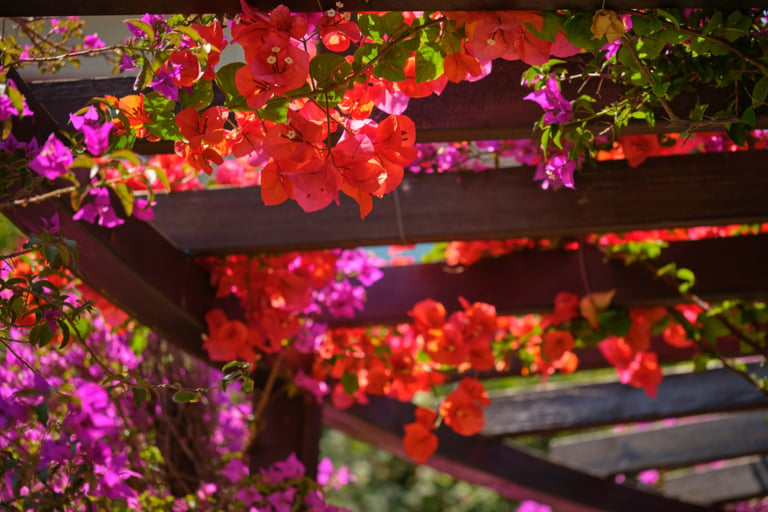
Pergolas, adjacent walls, and planted trees define where people sit, eat, and remain. A vine-covered pergola or a wall casting a consistent shadow creates a usable zone that repeats daily.
Temporary solutions rarely hold this role. Umbrellas and fabric shades shift, move, and require adjustment. Built shade settles the space.
Light & Enclosure in the Bathroom takes the same logic indoors — enclosure as a form of comfort, not of closure.
Filtered Light
Mediterranean outdoor spaces favour filtered light over full exposure.
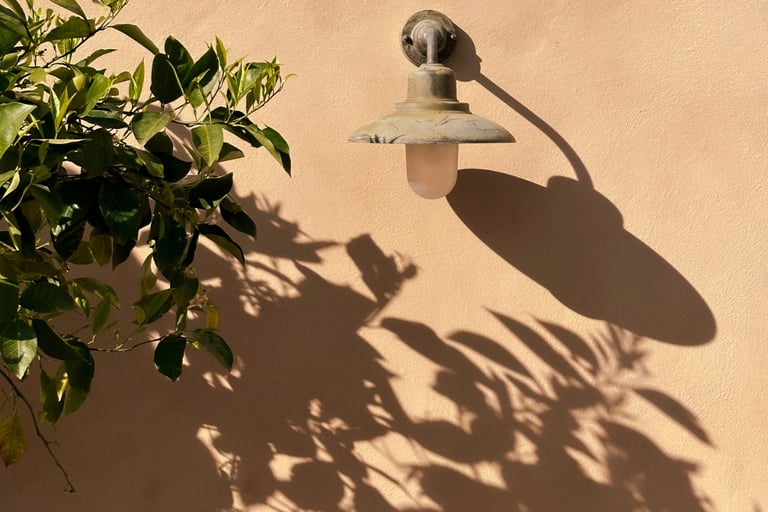
Shade from trees or climbing plants breaks direct sun into smaller fragments. This reduces heat and softens contrast without darkening the space.
Under filtered light, materials behave differently. The same condition shapes the loggia — examined in The Loggia and the Space That Belongs to Both Worlds, where the shaded threshold is part of the structure rather than added to it.
The result is a space that can be used longer without adjustment.
Evening Light
As the day ends, the role of the terrace shifts.
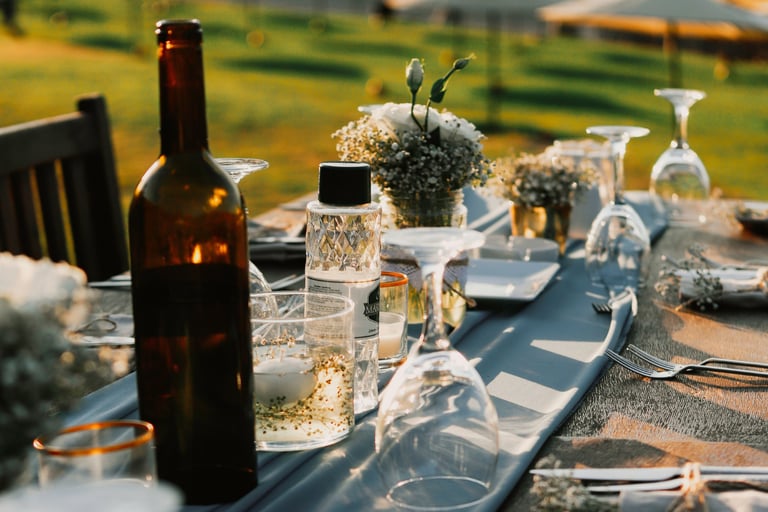
Spaces are often positioned to receive late-afternoon or early-evening light, when heat recedes and use increases. A west-facing wall, for example, can hold warmth while the air begins to cool.
Artificial light remains secondary. When added, it is low and contained—wall lights, small lamps, or indirect sources that extend use without changing the character of the space.
The same restrained use of light runs through Light & Rhythm in the Kitchen, where illumination supports use rather than dominating it.
Wind and Shelter
Exposure is not only about sun.
Wind can make a well-lit terrace unusable. Walls, planting, and built edges provide shelter while keeping the space open.
A low wall, a hedge, or a change in level can reduce wind without closing the space completely.
Protection allows the terrace to remain stable. Objects stay in place. Use becomes repeatable.
The Hour of Use
Most terraces are designed for the wrong hour.
A south-facing terrace looks ideal in a photograph taken at eleven in the morning — sun across the stone, shadow under the pergola, everything balanced. But the actual hour of use is closer to seven in the evening, when the air cools, the wind drops, and the heat of the day finally lifts off the wall. At eleven the same terrace is empty.
A Mediterranean terrace is designed for its hour of use, not its hour of photography. That means watching where people actually sit at the end of the day. Where the table holds dinner without sun in anyone's eyes. Where the wall holds warmth as the air cools. Where the light reaches without burning.
When the terrace is built around that hour, the rest of the day takes care of itself. Morning coffee finds the warm corner. Midday work moves indoors. The space is used when it is actually usable, and rests when it is not.
A Space That Settles
When light, shade, and exposure are resolved early, the space no longer needs adjustment.
People sit where it feels comfortable. Movement follows habit. The terrace adapts across the day without intervention.
Light does not decorate the space.
It organises it.
Contact
© 2025. All rights reserved.
An editorial study of French Mediterranean interiors, shaped by observation, lived experience, and a respect for spaces that age gracefully.