
Limewash Walls: What to Know Before You Commit
Considering limewash walls? Learn how limewash behaves indoors, which surfaces it needs, how it ages, and the pros, cons and mistakes to avoid.
GUIDESMATERIALS & MAINTENANCE
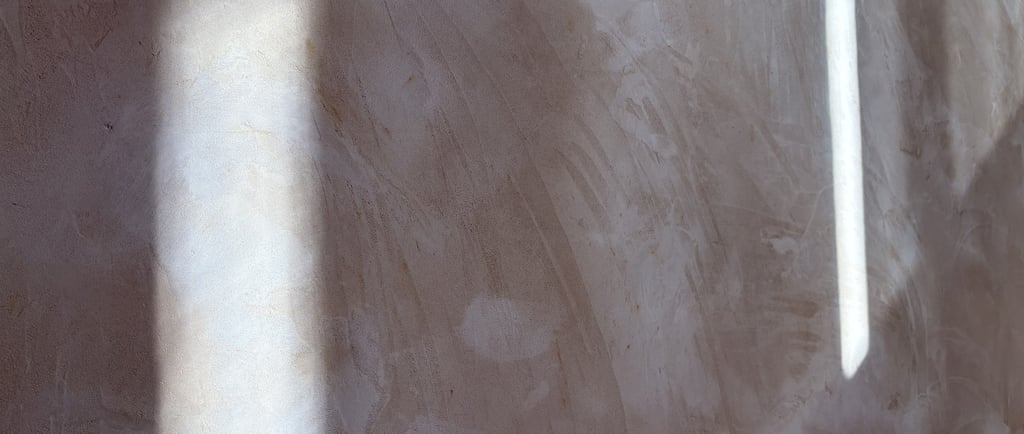
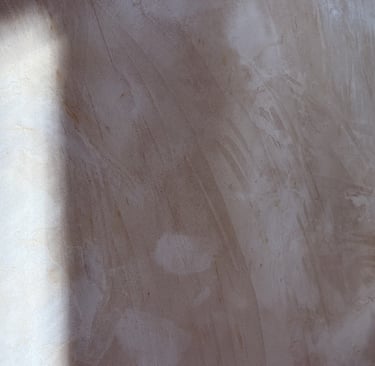
Limewash is having a moment. It appears in every mood board, on every feed, in every renovation that wants to look older and calmer than it is. Most of the time, it looks wonderful.
But limewash is not ordinary paint. It behaves differently, ages differently and fails differently.
Before you commit a wall, a room and a renovation budget to it, it helps to know how the finish actually behaves once it is on the wall and living with you.
This is not a tutorial. It is a decision.
What Limewash Actually Is
The word covers several different products, and they do not all behave in the same way.
Traditional limewash is made primarily from slaked lime and water, sometimes with mineral pigments added for colour. On a compatible porous surface, it absorbs into and bonds with the wall rather than forming the same kind of sealed film as conventional emulsion.
Commercial limewash and lime-based paints adapt that basic material into ready-made products. Their composition, breathability, durability and preparation requirements vary by manufacturer.
Decorative lime-effect paints are designed mainly to reproduce the tonal movement of limewash. They may create a similar appearance, but they should not automatically be treated as equivalent to a traditional mineral finish.
Then there is ordinary paint applied in overlapping tones to imitate the effect entirely.
These products are not interchangeable. A decorative finish may give you the appearance you want, but not the breathability, ageing or relationship with the wall beneath it.
If breathability matters because the house is old, the walls are mineral or damp has been a concern, the type of product matters more than the colour.
The same distinction applies when choosing any wall finish. In How to Choose the Best White Paint for a Mediterranean Interior, the sheen, undertone and surface matter just as much as the shade itself.
The Real Advantages
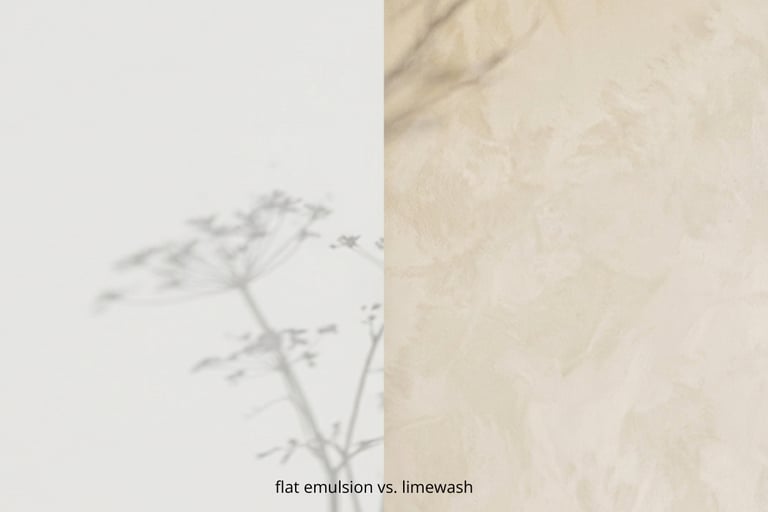
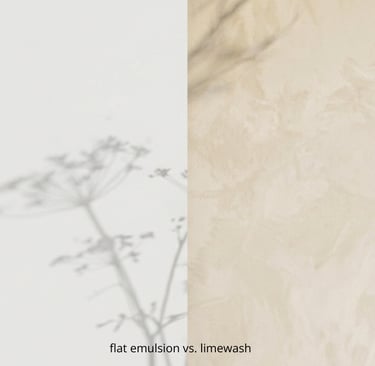
Limewash creates a finish that uniform roller paint rarely achieves.
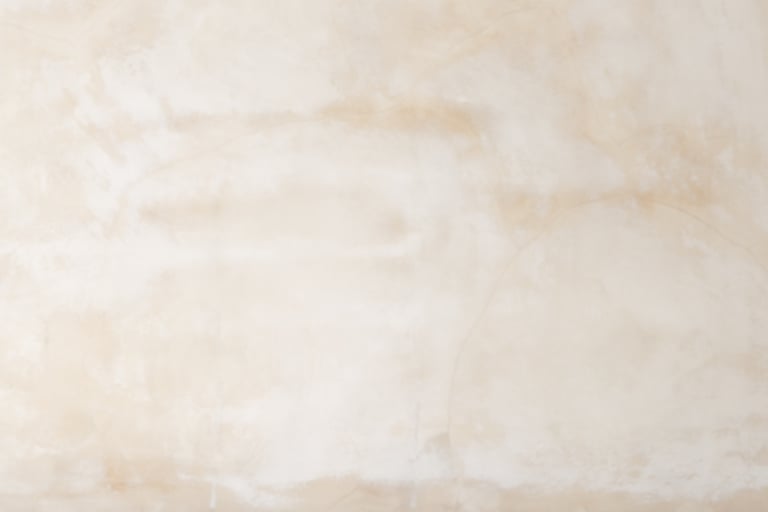
Its highly matte, subtly varied surface diffuses light differently from a perfectly even painted wall. The colour does not appear as one flat block, so the surface changes as daylight moves across it.
Depending on the room's orientation and the colour you choose, the wall may appear cooler, warmer, lighter or more pronounced at different hours.
This variation gives limewash its depth.
It also works naturally with compatible mineral walls. Instead of sealing the surface beneath an impermeable film, a traditional mineral system allows water vapour to pass through it. This can make it particularly appropriate in older houses where the walls were built to manage moisture differently from modern construction.
Its wear can also merge into the natural variation of the surface rather than appearing as one obvious chip or scuff against a flawless background.
That is the appeal: depth, movement and a matte softness that looks less applied and more integrated into the wall.
But natural does not automatically mean practical. The qualities that make limewash beautiful are also the ones that make it demanding.
The Real Disadvantages
This is where inspiration posts tend to go quiet.
Limewash is uneven by nature. That is part of the point, but it also means the result is harder to predict than a conventional painted finish.
Some limewash surfaces can remain slightly powdery or rub off, particularly when the substrate, preparation or application is unsuitable. A protective topcoat may improve resistance in certain systems, but it can also change the colour, sheen and breathability. It should not be added automatically.
Washability also varies considerably. Traditional limewash will not usually tolerate the same cleaning as a washable emulsion. Scrubbing a mark can disturb the finish rather than remove the stain.
Colour matching for repairs can be difficult because the result varies with the wall, the batch, the dilution and the way the paint was applied. A small touched-up area may remain visible, at least until the finish has settled and aged.
Limewash also requires proper surface preparation. Depending on the existing wall and the product chosen, that may mean repairs, cleaning, a specialist mineral primer and several coats.
None of this makes limewash a bad choice.
It makes it a considered one.
Can Limewash Go Over Painted Walls?
This is the question that catches most people out.
Can limewash go directly over a wall that has already been painted?
Not reliably.
Traditional limewash bonds best to porous mineral surfaces. It needs a compatible wall that allows the material to absorb and bond properly. A surface finished with modern emulsion may be too sealed for traditional limewash to perform as intended.
Some manufacturers offer mineral primers or preparation coats designed specifically for previously painted walls. These can create a suitable surface for their own limewash system.
But a compatible primer does not turn the wall beneath into bare mineral plaster. If breathability is the main reason you are choosing limewash, consider the entire wall construction, not only the final coat.
The answer depends on three things:
● What is already on the wall
● Which limewash system you intend to use
● Why you are choosing limewash in the first place
It is not a flat no, but it is never a blanket yes.
Identify the existing paint, read the technical information for the exact product and test a small area before committing to the entire room.
This becomes particularly important when modernising an older house. How to Modernize a Mediterranean House Without Losing Its Character looks more broadly at how technical upgrades and new finishes can be introduced without erasing the qualities that made the building worth preserving.
Why Limewash Sometimes Looks Blotchy
Unwanted blotching is commonly caused by uneven absorption, unsuitable preparation or inconsistent application. Product compatibility and incorrect dilution can also play a part.
Old repairs may absorb differently from the surrounding plaster. A wall built from several substrates can dry at different speeds. Working in small isolated sections can leave obvious tide marks, while allowing one edge to dry before continuing can create a hard join.
The brush and application method also affect the result. Limewash is normally applied with visible, continuous brush movement. Treating it like standard paint and trying to roll it into a perfectly flat finish works against the material.
Sometimes the wall is not badly applied. The expectation is simply wrong.
Limewash is supposed to move in tone. It is not meant to look identical across every centimetre. The skill lies in distinguishing between deliberate tonal variation and a finish that is genuinely patchy or poorly prepared.
That tolerance for imperfection is not a defect. It is part of the material's character. Removing every irregularity does not necessarily make a room better.
Which Rooms Suit Limewash?
Limewash does not belong equally everywhere.
Living rooms and bedrooms are usually the easiest places to use it. They tend to have lower wall contact, less water and less need for aggressive cleaning.
In these rooms, the changing relationship between the finish and natural light can do most of the decorative work. Furniture and objects no longer need to carry the entire atmosphere.
This is particularly effective in a French Mediterranean living room, where plaster, stone, timber and filtered light already form the foundation of the room. The French Mediterranean Living Room explores how those elements work together before colour or decoration is added.
Kitchens ask more of limewash. Grease, food marks and repeated cleaning do not suit a finish that may be difficult to scrub. It can still work on walls away from the hob, sink and preparation areas, but it should not be treated as the obvious finish for every surface.
Bathrooms are possible with the right product, good ventilation and protection in areas exposed directly to water.
Lime has a long history in humid buildings, but that history is often misunderstood. Breathable does not mean waterproof.
Use limewash where vapour movement and a mineral finish matter. Use a more resistant surface in splash zones and areas that require frequent cleaning.
Colour and Light
Limewash colour is never completely fixed.
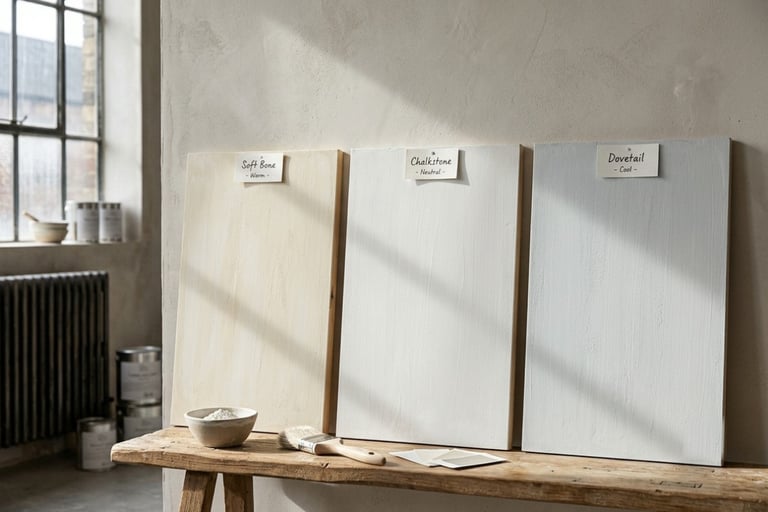
It changes with direct and indirect light, between morning and evening, with the texture of the wall and with the number of coats. The wet colour can also look dramatically different from the cured finish, so it should not be judged during application.
It never exists in isolation. The same limewash can appear warmer beside oak, cooler beside grey stone and more saturated next to a brilliant white ceiling.
A small printed colour card tells you very little.
Test a large area on the actual wall. Watch it in morning light, during the brightest part of the day and again in the evening. Look at it beside the floor, joinery and furniture that will remain in the room.
This is part of why the finish suits the region at all. Why Southern Homes Prefer Filtered Light looks at how houses here are built to soften daylight rather than maximise it, and limewash is one of the surfaces that does exactly that.
Not sure how the colour will shift in your room? The free Light Audit helps you track direct light, glare and tonal changes across the day before choosing a finish.
How Much Work Is Involved?
Limewash is not necessarily difficult, but it is rarely a one-coat shortcut on an ordinary interior wall.
The work may include:
● Cleaning and repairing the wall
● Identifying the existing coating
● Applying a compatible preparation coat
● Testing colour and absorption
● Applying two or more limewash coats
● Maintaining a wet edge to avoid hard joins
The exact process depends on the wall and the product.
Read the complete system specification before comparing prices. A cheaper pot of paint can become the more expensive option once preparation materials, extra coats and specialist labour are included.
Do not price limewash by the litre alone.
Maintenance and Repair
Before choosing limewash, be honest about how the room is used.
Washability varies between traditional limewash, commercial lime paint and protected decorative systems. Do not assume the finish will tolerate the same cleaning as modern washable paint.
Marks are often handled by reapplying the finish rather than scrubbing the surface. Small repairs may blend over time, but they can remain visible if the colour, dilution or application pattern differs from the original wall.
Recoating frequency varies widely. A low-contact bedroom wall may remain convincing for years, while a hallway, stairwell or kitchen can show wear much sooner.
A sealer may improve resistance, but it can also deepen the colour, reduce the dry mineral appearance or alter vapour permeability. Follow the guidance for the exact system rather than assuming that every limewash should be protected in the same way.
In a quiet household, this may be easy to live with.
In a rental, a narrow hallway or a family home where bags, hands and furniture regularly meet the walls, it deserves more thought.
DIY or Specialist?
Limewash can be a reasonable DIY project.
On a straightforward, properly prepared and compatible wall, a careful amateur can achieve a good result. The irregularity of the finish can be more forgiving than a perfectly smooth painted wall.
The calculation changes when the surface is:
● Old or heavily repaired
● Damp or salt-damaged
● Previously painted with an unknown coating
● Made from several different materials
● Highly visible in strong side light
● Difficult or expensive to redo
These are the situations where a specialist can earn the cost.
The finish may forgive visible brush movement. It does not forgive a rushed or incompatible surface underneath.
Be honest about the wall you actually have, not the one shown in the product photograph.
Choosing a Product
Not every brand sells the same kind of finish.
Some offer true mineral limewash systems. Some make lime-based decorative paints. Others sell mineral alternatives that are breathable but technically different from limewash.
Before comparing colours, confirm:
● What the product is made from
● Which surfaces it is designed for
● Whether a primer is required
● Whether it is suitable for interior use
● How washable the final finish will be
● Whether it is available in your country
Availability, product names and formulations can change. Confirm the current technical sheet and local stockist before ordering.
A separate buying guide can compare interior limewash brands in more detail for readers who have already decided that the finish suits their wall.
Before You Commit
Before spending anything, check:
● What is the wall made from?
● Is the surface porous or sealed?
● Is it bare, painted or previously limewashed?
● Does the room face water, grease or heavy traffic?
● Do you want true mineral breathability or mainly the appearance?
● Have you tested a large sample on the actual wall?
● Have you watched the sample across a full day?
● Can the finish tolerate the cleaning the room requires?
● Are you comfortable with tonal movement and visible ageing?
● Can you repair the wall yourself, or will it need a specialist?
Before the First Coat
Limewash is not simply a colour you choose.
It is a surface you agree to live with.
Chosen well, on the right wall and in the right room, it gives a house something ordinary paint struggles to reproduce: depth, breathability and a visible relationship with the light.
Chosen carelessly, it can chalk, stain, streak and disappoint.
The difference is not luck.
It is knowing, before the first coat, exactly what you are asking the wall to do.

Contact
© 2025. All rights reserved.
An editorial study of French Mediterranean interiors, shaped by observation, lived experience, and a respect for spaces that age gracefully.